


Trump’s “Fantastic Deal” With Iran: Who Actually Won This War?
I’m doing this one from a friend’s place in rural Pennsylvania. It’s a genuinely beautiful morning — birds everywhere, a chipmunk made a brief appearance — and here I am talking about the U.S.-Iran war. Sometimes things don’t work well together.
We appear to be on the verge of an end to the conflict. Confirmation is coming from the Pakistanis, from the Iranians themselves, and from the usual flood of leaks out of Washington. Trump has declared a “fantastic deal” so many times at this point that the phrase has lost all meaning — but this time, something does seem to be getting finalized. So it’s worth asking a simple question before everyone moves on to the next news cycle: when the dust settles, who actually won?
Based on everything that’s leaked about the terms, Iran comes out of this war in a significantly stronger position than when it entered.
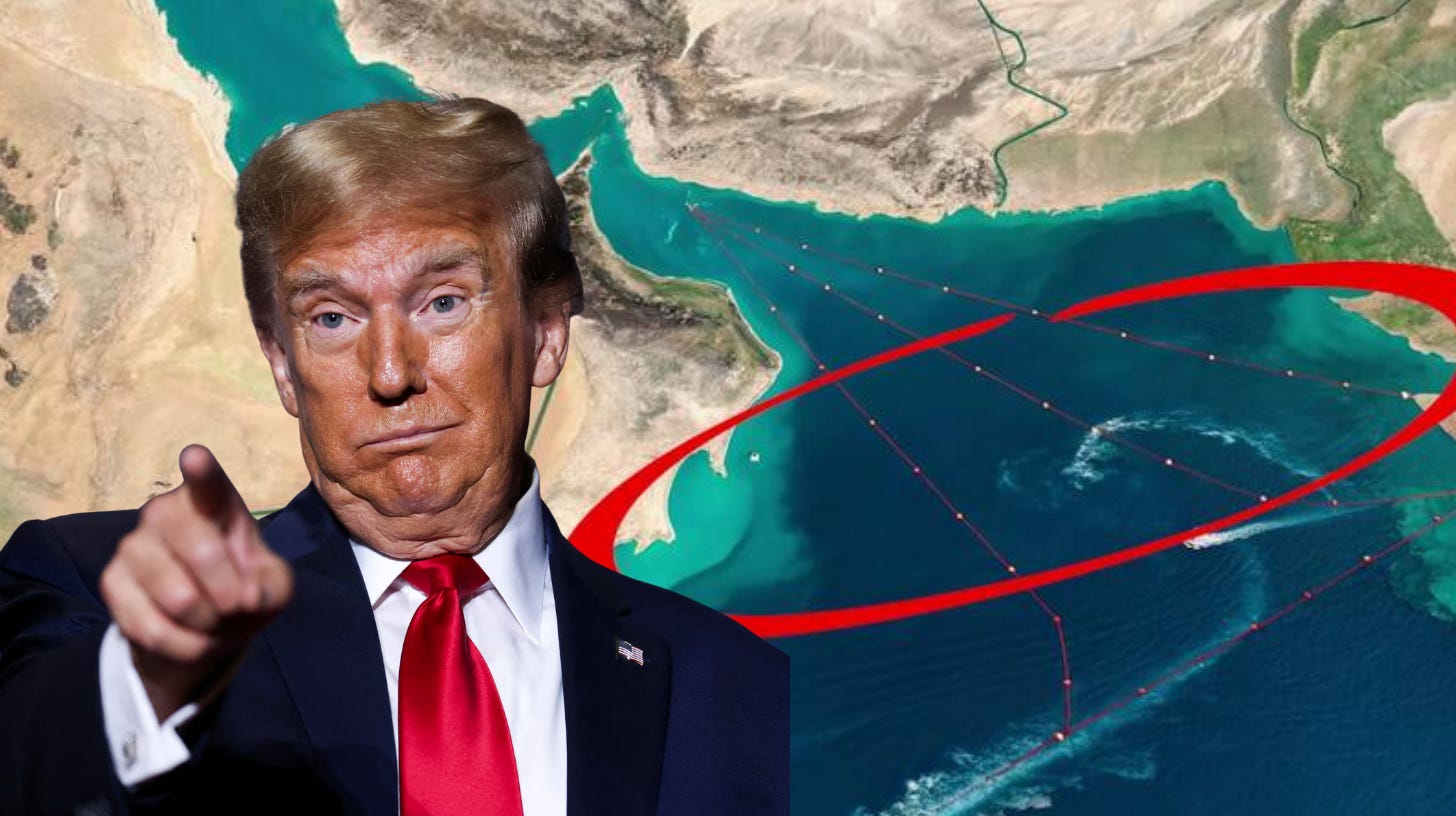
Start with the Strait of Hormuz. Iran is reportedly going to retain control of the waterway and charge a toll — $2 million per ship. With roughly a hundred ships transiting per day, that’s $200 million in daily revenue, split between Iran and Oman. Iran’s share alone amounts to approximately $100 million per day, every day — money that flows into a government with a long history of funding regional proxy forces and pursuing a nuclear program. Annualized, that number is almost incomprehensible.
Then there’s the money that’s already changed hands. Reuters reported that the UAE paid Iran $3 billion as what amounted to a protection payment — stop attacking us, here’s your down payment, with potentially $10 to $20 billion to follow. The UAE denies it. Reuters is standing by the story. What remains genuinely unclear is where the money came from: frozen Iranian assets, Emirati funds, or something routed through the Gulf with Washington’s fingerprints carefully removed. With this administration, none of those scenarios is far-fetched. It could just as easily be your tax dollars.
On top of that, sanctions relief appears to be part of the deal, meaning Iran will be able to sell oil on the open market again — another massive recurring revenue stream that had been cut off for years.
Now consider what the U.S. actually achieved. The justifications for the war shifted so many times in the early weeks that it was hard to keep track. Eventually the administration settled on the nuclear threat as its primary rationale. But Iran’s military infrastructure is intact. The regime didn’t fall — it consolidated. The old Ayatollah has been succeeded by his son, who is by most accounts younger, healthier, and more hardline. The war didn’t weaken the Iranian government. It handed it a generational financial windfall and left it more entrenched than before.
This is the outcome. A more radical Iranian regime, flush with cash, in control of one of the world’s most strategically critical waterways — while millions of Americans have lost their health insurance because this same administration refused to extend ACA subsidies, and unemployment continues to climb.
The deal may end the shooting. It doesn’t change what this war produced.
I’m still dubious that we actually have a deal, even a bad one, because this has been floated so many times. Thanks for the summary. It’s very helpful!